







What happens when everything fails at once?
Business Continuity Strategies
JMG SECURITY SYSTEMS helps businesses plan for power outages, network failures, and system interruptions with coordinated continuity strategies for access control, alarms, video, and monitoring.
✓
Already have system backups? We’ll help identify what they don’t cover.
Local experience
Advising SoCal organizations since 1987
System approach
Program-level, not device-level
Infrastructure
Board-ready documentation
System fit
Tested through real exercises
The false sense of readiness
Verified Backup Readiness
Plenty of organizations can point to individual pieces of redundancy, a battery here, a cellular backup there, without ever having connected the dots into a documented plan, let alone tested whether those pieces work together under real failure conditions.
01
Unmapped System Dependencies
A single network switch going down might silently take out access control, cameras, and alarm communication all at once.
JMG response
A single-point-of-failure audit maps every dependency across your security infrastructure.
02
Undocumented Continuity Plan
If the one employee who knows the failover process is unreachable, the plan effectively doesn't exist.
JMG response
Documented continuity plans put the process on paper, not just in someone's memory.
03
Untested Failover Systems
If ever A backup system that's never been triggered on purpose is a guess dressed up as a safeguard.
JMG response
Tabletop exercises and live failover tests confirm the plan works before a real event forces the question.
04
Undefined Recovery Time
Without a defined recovery time objective, "how fast can we be back up" has no real answer.
JMG response
JMG SECURITY SYSTEMS helps define and validate recovery time objectives for critical security functions.
One business continuity partner
Beyond Single-Panel Backup
A continuity strategy has to account for the whole security program working together, access, video, alarms, and communications, not just whether any single device has a backup power source bolted on.
01
Security Business Impact Analysis
Identifying which functions matter most and what an outage actually costs.
02
Failure Point Mapping
Documenting every dependency that could take down multiple systems at once.
03
Recovery Time Planning
Defining how fast each critical function needs to be restored, and validating that it can be.
04
Failover Testing & Exercises
Practicing the plan under simulated conditions before a real one arrives.
05
Vendor & System Redundancy
Assessing whether a single vendor outage could cripple multiple functions simultaneously.
06
Executive-Level Reporting
Documentation built for leadership and insurance conversations, not just IT.
This isn't a rip-and-replace conversation.
Risk Assessment
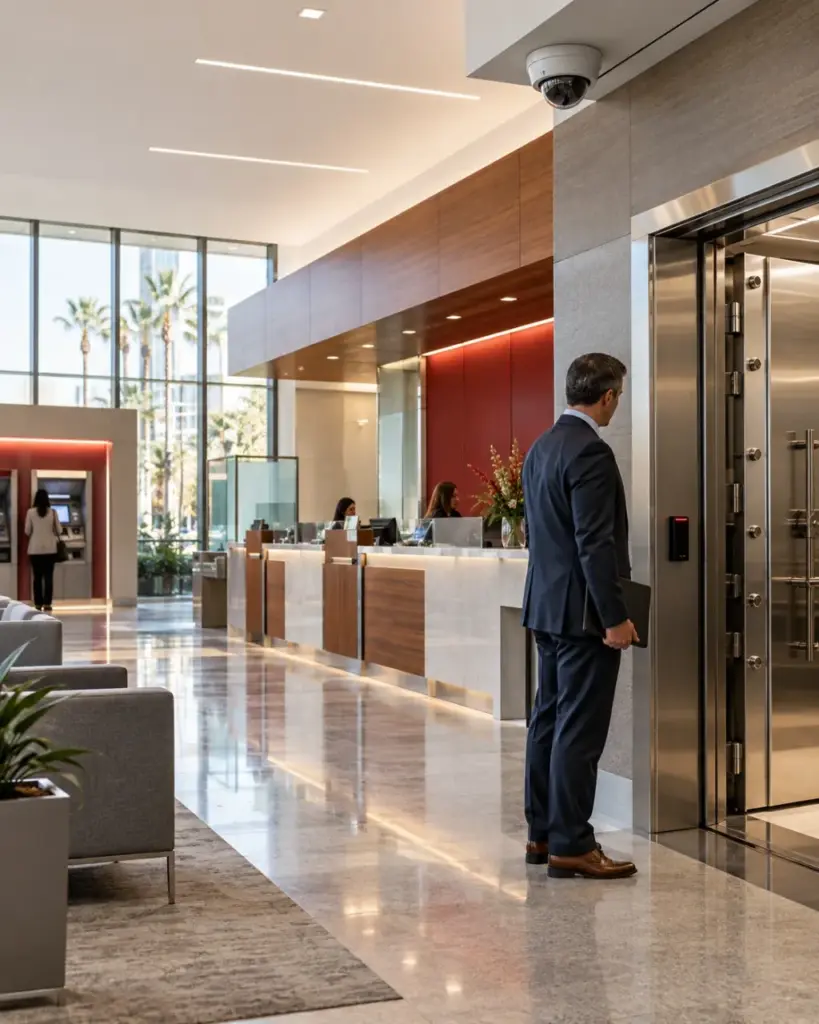
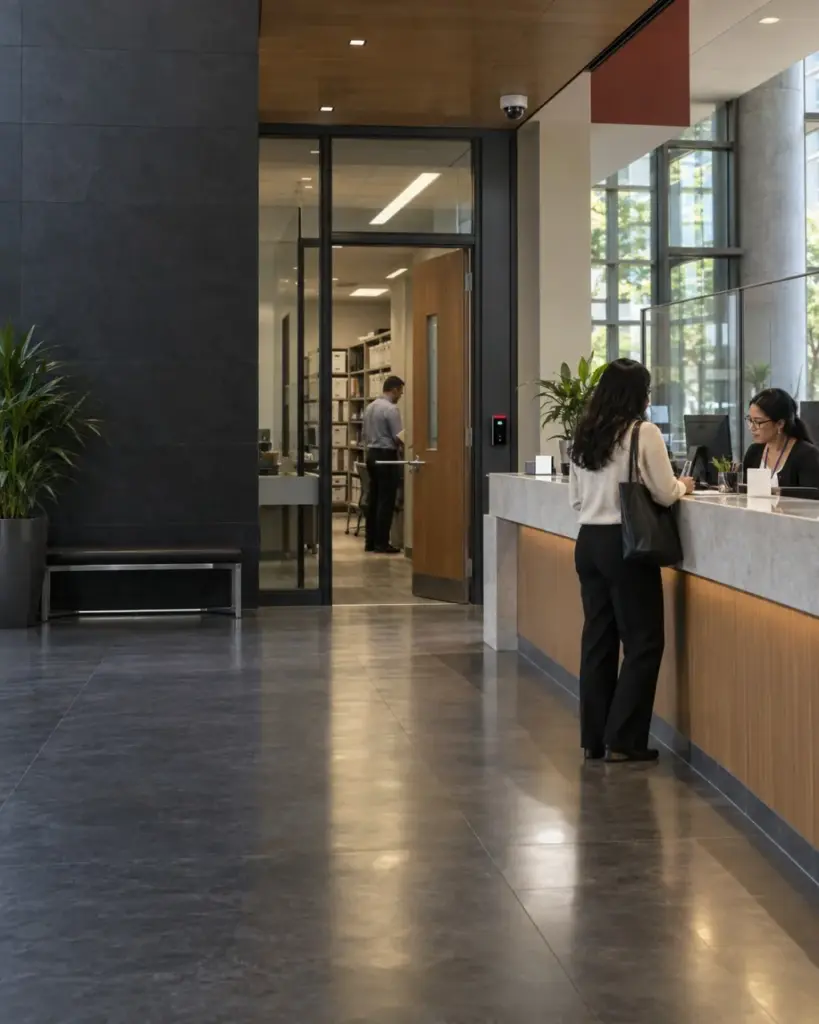
Business continuity planning starts with an honest picture of where a facility is actually exposed, not a generic checklist, but a real look at physical vulnerabilities, operational dependencies, and what an incident would actually cost if it happened tomorrow. Many facilities operate on assumptions carried over from years ago: coverage that made sense for a smaller footprint, a different tenant mix, or a threat landscape that's since shifted. Without a current assessment, security spending tends to follow instinct or past incidents rather than actual risk, leaving real gaps unaddressed while resources go toward areas that already feel secure. JMG SECURITY SYSTEMS conducts risk assessments as the starting point for continuity planning, evaluating a facility as it operates today so security investment gets directed toward the exposures that matter most, not the ones that are simply easiest to see.
Enterprise Risk Management
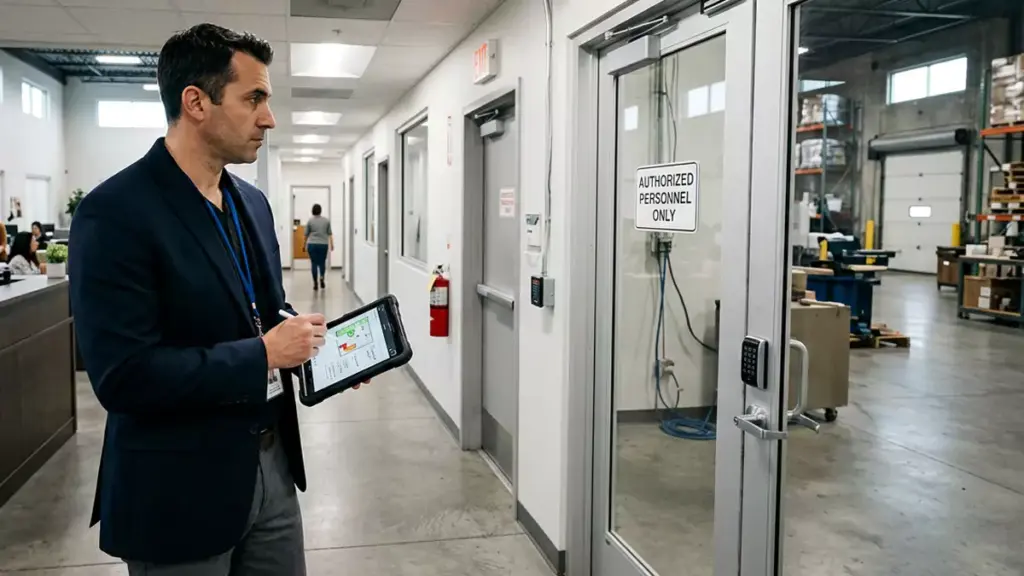
For organizations operating across multiple locations, security risk isn't just a site-level concern, it's an enterprise one, inconsistent standards at one property can undermine continuity planning across the whole portfolio, even when other sites are well protected. Enterprise risk management means looking at security holistically: where exposure is concentrated, where standards vary between properties, and how an incident at one location could affect operations elsewhere. That's difficult to manage when each site runs on different systems, different vendors, and different levels of oversight, gaps often aren't visible until they're tested. JMG SECURITY SYSTEMS approaches enterprise risk management by evaluating security consistency across an entire portfolio, then aligning systems and monitoring so every property meets the same standard, giving decision-makers one coherent picture of risk instead of a fragmented one property by property.

Incident Management
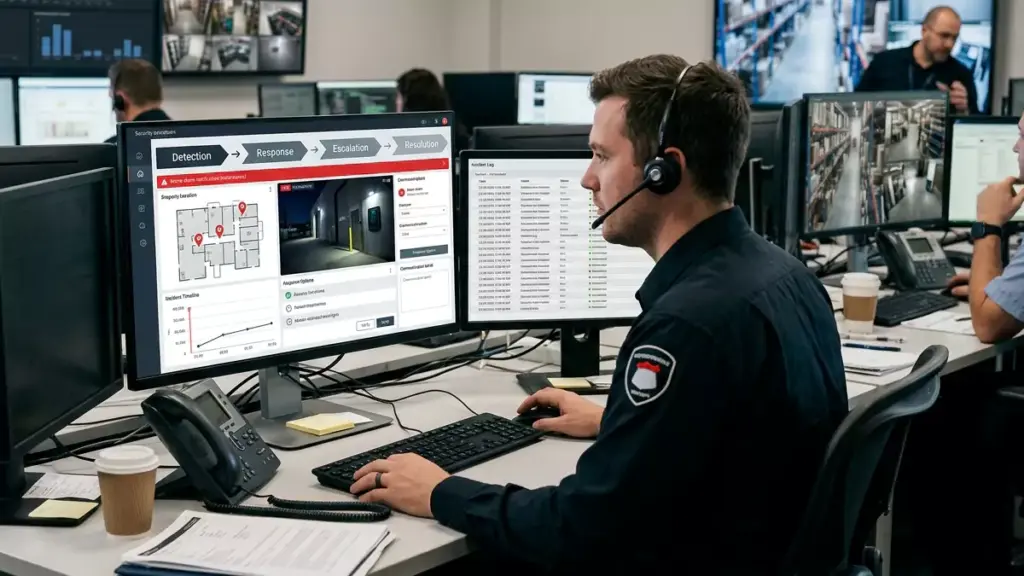
How a facility responds in the first minutes after an incident, whether it's a break-in, an alarm trigger, or a system failure, often matters more than the incident itself in determining the actual damage. Without a clear process, response depends on whoever happens to be available at the time, leading to inconsistent handling, delayed escalation, or decisions made without the full picture. Effective incident management means having a defined path from detection to response to resolution, worked out ahead of time, not improvised in the moment. Documentation matters here too, a clear record of what happened and how it was handled supports insurance claims and informs whether the response plan needs to change. JMG SECURITY SYSTEMS builds incident management into its monitoring relationship, so when something triggers, there's already a defined process for how it's handled and escalated, not a gap between detection and action.
Backup And Disaster Recovery
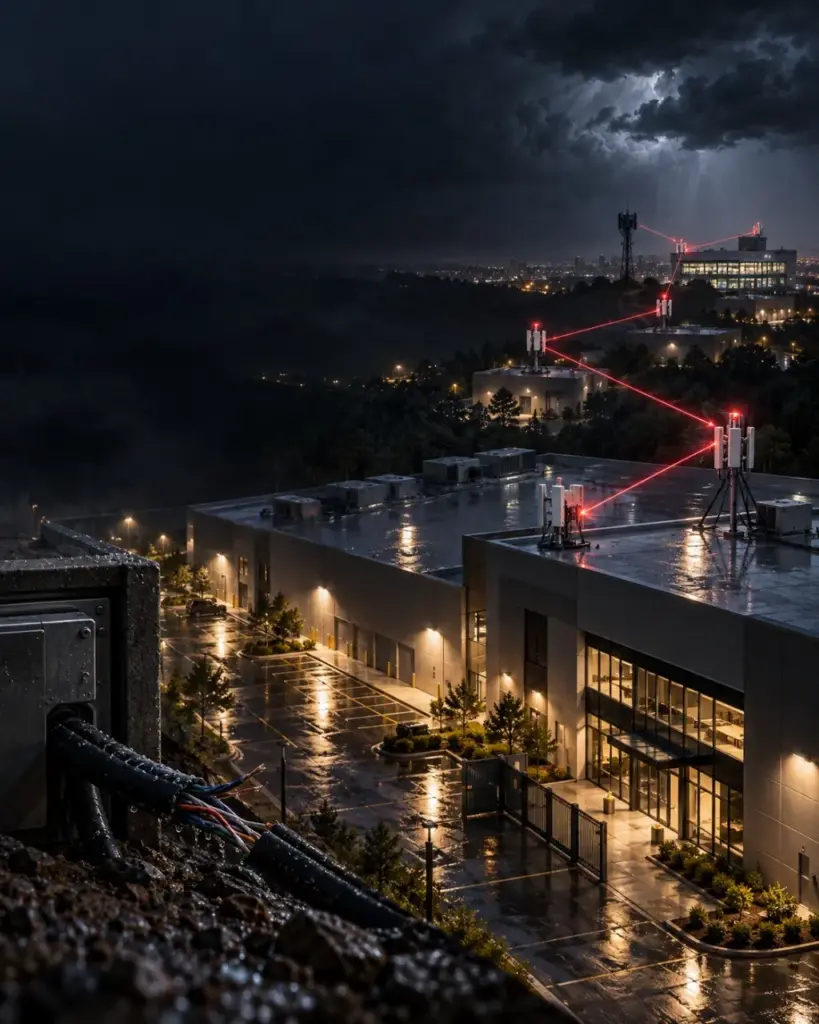
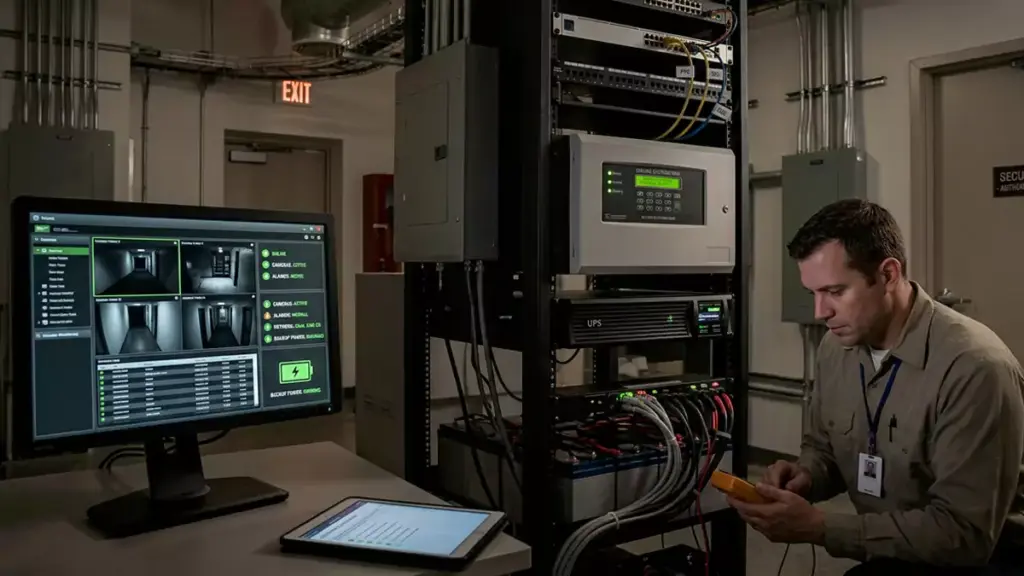
A security system is only reliable if it keeps working when conditions get difficult, power outages, network failures, and equipment damage from a storm or fire don't pause just because a facility needs monitoring more than ever in that moment. Systems without backup power or redundant connectivity go dark exactly when risk is highest, during the outage itself, and often stay down until someone notices, sometimes well after the fact. Recovery planning means having backup power, redundant monitoring paths, and a clear process for restoring full system function once conditions stabilize, not scrambling to rebuild coverage after an outage exposes the gap. JMG SECURITY SYSTEMS builds that resilience into system design from the start, so continuity doesn't depend on ideal conditions, it holds up through the outages and disruptions that continuity planning exists for in the first place.
IT Risk Management
Modern security systems run on the same network as everything else in a facility, cameras, access control, and alarm monitoring are IT infrastructure now, not standalone hardware, which means a network vulnerability is also a physical security vulnerability. A compromised network can mean disabled cameras, locked-out access control, or alerts that never reach monitoring, and facilities that treat physical security and IT security as separate concerns often miss where the two actually overlap. Managing that risk means securing the network the security system runs on: segmented access, monitored connectivity, and a clear line of accountability if something on the network side fails. JMG SECURITY SYSTEMS designs and monitors security systems with that overlap in mind, so IT risk to the network doesn't become a blind spot in physical security coverage, and vice versa.
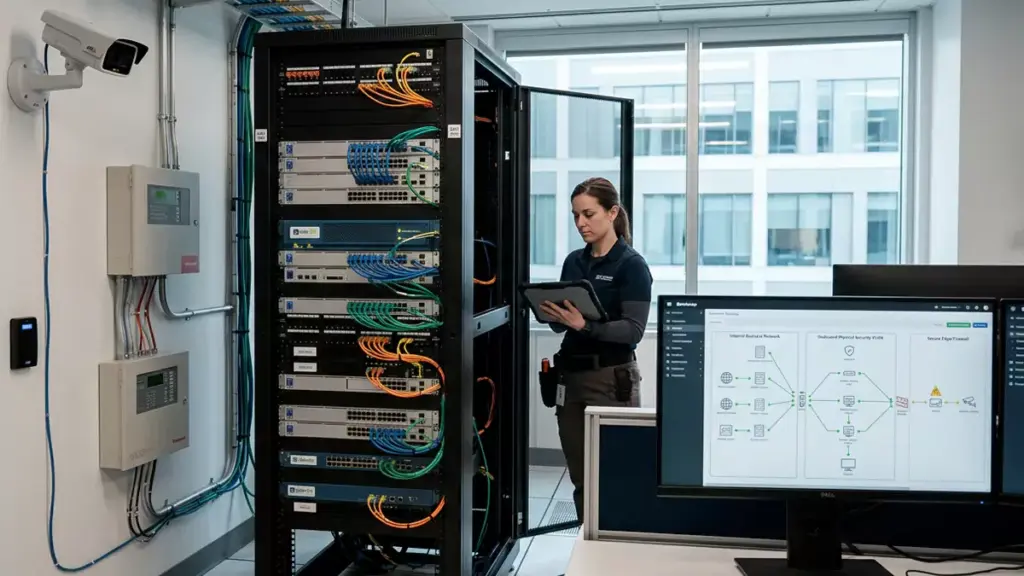
One business continuity partner
Test Your Security Resilience Before Disruption.
JMG SECURITY SYSTEMS helps organizations validate continuity plans through testing, system reviews, and recovery strategies designed for real operational challenges.
Simulated disruption testing
Validated Recovery Planning
Confirm recovery processes, response steps, and system readiness through structured testing instead of assumptions.
Security continuity assessment
Resilience Status Tracking
Document recovery performance and maintain a clearer understanding of your security program readiness.
Security Program
Resilience
Continuity Status
Organization-type-specific protocols
Industry-Specific Continuity Risks
What counts as an acceptable recovery window, and what a disruption actually costs, varies enormously depending on the kind of operation involved, a few hours offline means something very different to a hospital than it does to a corporate back office.
01
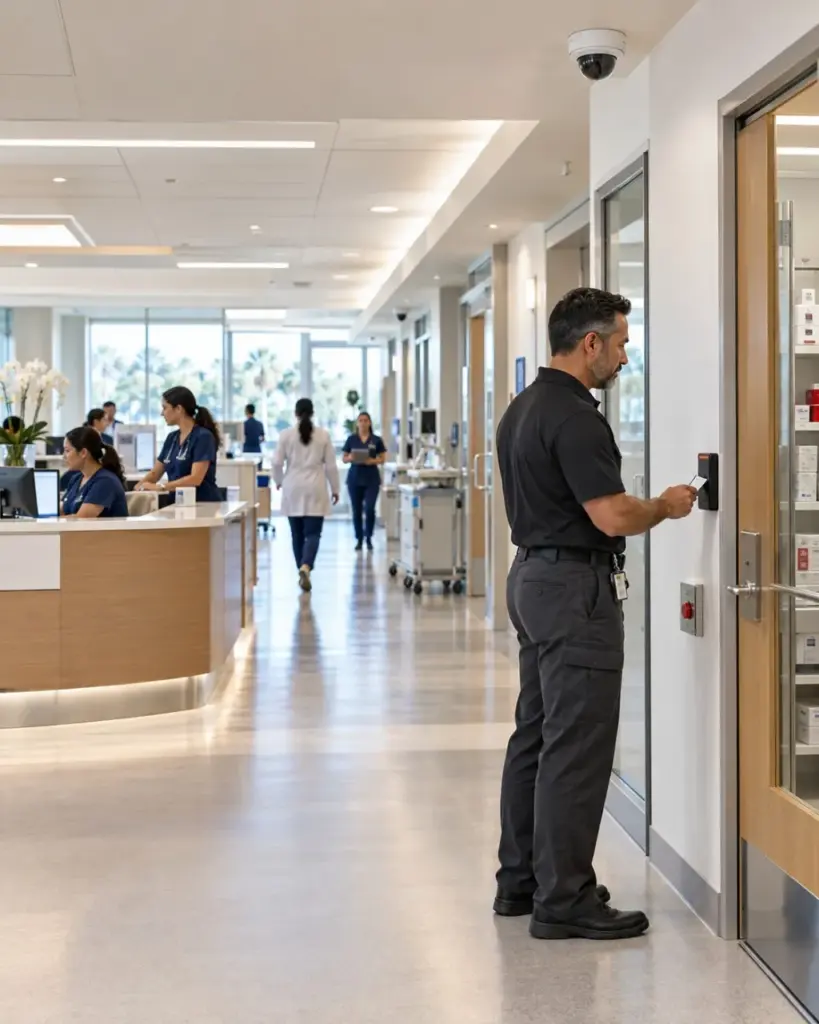
Healthcare Systems & Medical Facilities
Continuous-operation requirements where even brief security gaps carry outsized risk.
02
Multi-Site Retail & Franchise Operators
Coordinated recovery planning across dozens of locations at once.
03
Corporate Headquarters & Professional Offices
Executive and board-level reporting expectations during disruptions.
04
Manufacturing & Industrial Operations
Production-line dependencies tied directly to security system uptime.
05
Data Centers & Critical Infrastructure
Near-zero tolerance for any recovery gap, however brief.
06
Government & Public Sector Agencies
Formal documentation requirements tied to public accountability standards.
Don’t Wait For An Emergency To Test Your Plan. Make Sure It Works
Find out whether your organization's continuity plan would actually hold up, or whether it's still just a document in a drawer.