



Commercial life-safety systems | serving southern california since 1987
Commercial Fire Detection And Fire Alarm Systems
A commercial fire alarm must do more than sound: it must detect the right condition, identify the area, and follow your facility's approval path. JMG SECURITY SYSTEMS starts with your occupancy, hazards, and existing equipment, then coordinates design, permitting, installation, monitoring, testing, and support.
✓
Existing system? We review it first, and only recommend replacement when it's needed.
Local experience
Serving Southern California since 1987
Engineered approach
Fire drawings and permit coordination
Lifecycle support
Installation, monitoring, testing, and service
System fit
Existing-equipment and upgrade review
01 · The requirement gap
Choose The Right Fire Alarm System For Your Building
Commercial fire detection requirements depend on occupancy, hazards, building configuration, operating conditions, adopted codes, local amendments, and the Authority Having Jurisdiction. Before committing to equipment or installation, customers need clear answers about system fit, existing-equipment reuse, permitting, inspection, cost, and operational impact.
01
What system do I need?
Requirements depend on occupancy, hazards, and the AHJ, not size alone.
JMG
Site survey and system recommendation.
02
Can existing equipment stay?
Compatible, serviceable components may be retained within the approved design.
JMG
Existing-system and upgrade review.
03
Who handles approvals?
Plans, permits, plan-check comments, pretesting, and inspection require coordination.
JMG
Engineered drawings and permit support.
04
Will operations be disrupted?
Installation and testing can be phased, but shutdowns require planning.
JMG
Project milestones and continuity coordination.
02 · One fire-detection partner
What Does Your Fire Detection System Need?
JMG SECURITY SYSTEMS identifies what your facility requires, what equipment may remain, and what must change, then supports design, installation, approval coordination, monitoring, testing, and service.
01
Which system fits?
Your occupancy, hazards, layout, and local requirements determine the right solution.
02
Which detectors are needed?
Smoke, heat, duct, and special-hazard detection are selected for each environment.
03
What must activate?
Alarms may coordinate notification, doors, HVAC, elevators, and sprinkler signals.
04
Can existing equipment stay?
Compatible, listed, and serviceable components may remain within the approved design.
05
Who manages approvals?
JMG SECURITY SYSTEMS coordinates drawings, plan review, pretesting, and inspection support. Final approval belongs to the AHJ.
06
Who supports the system?
JMG SECURITY SYSTEMS provides 24-hour monitoring, in-house testing, documentation, upgrades, and ongoing service.
03 · Assessment to support
A Smarter Approach To Fire Detection
Customers need confidence that their system fits the facility, addresses applicable requirements, and remains supported after installation. JMG SECURITY SYSTEMS coordinates every stage.
Assessment
Facility Assessed
Occupancy, hazards, layout, operations, and existing equipment are reviewed.
Engineering
System Engineered
Detection, notification, integrations, and required drawings are defined.
Coordination
Approval Coordinated
JMG SECURITY SYSTEMS supports submittals, plan review, and AHJ coordination.
Validation
Installed And Tested
Licensed installation, programming, pretesting, and inspection support.
Continuity
Monitored And Supported
24-hour monitoring, in-house testing, documentation, upgrades, and ongoing service.
04 · Detection to response
Commercial Fire Protection
Commercial fire protection starts with a system designed for your facility, not a standard equipment package. JMG SECURITY SYSTEMS assesses occupancy, hazards, existing devices, and local requirements before coordinating engineered design, approval support, licensed installation, testing, 24-hour monitoring, and ongoing service. The result is a connected fire detection system built to protect people, property, and operations.
Fire Suppression System
A fire suppression system must match the space it protects. Commercial kitchens, server rooms, electrical areas, and industrial facilities may require different agents, activation methods, and approvals than standard sprinkler protection.
JMG SECURITY SYSTEMS connects compatible suppression signals with fire detection, alarms, notification, and 24-hour monitoring. Explore how proper integration, testing, and ongoing service can create a faster, more coordinated response.JMG connects compatible suppression signals with fire detection, alarms, notification, and 24-hour monitoring. Explore how proper integration, testing, and ongoing service can create a faster, more coordinated response.
Carbon Monoxide Alarm
A carbon monoxide alarm provides essential early warning where combustion equipment, parking areas, or enclosed mechanical spaces create hidden risk. JMG SECURITY SYSTEMS evaluates your facility, selects appropriate listed devices, and connects compatible CO detection with fire and life-safety systems and 24-hour monitoring. Explore a commercial CO detection strategy designed around your building and applicable requirements.
Smoke Detector
A commercial smoke detector is only as reliable as its selection and placement. JMG SECURITY SYSTEMS evaluates ceiling height, airflow, occupancy, environmental conditions, and applicable requirements to support earlier detection while reducing nuisance alarms. Explore how licensed installation, professional testing, 24-hour monitoring, and ongoing service create a more dependable fire detection strategy.
Fire Extinguisher Classes
Fire extinguisher classes identify the fires each unit is designed to fight: Class A for ordinary combustibles, B for flammable liquids, C for energized electrical equipment, D for combustible metals, and K for cooking oils. JMG SECURITY SYSTEMS helps evaluate facility hazards, placement needs, and applicable requirements so the right extinguisher is available where it matters most.
One Commercial Fire Detection Partner. Every Stage Supported.
Serving Southern California since 1987, JMG SECURITY SYSTEMS coordinates assessment, design, installation, testing, monitoring, and ongoing service around your facility’s requirements.
05 · System comparison
Conventional Vs. Addressable Fire Alarm Systems
Choosing the right commercial fire detection system depends on facility size, occupancy, expansion plans, required integrations, and AHJ requirements. JMG SECURITY SYSTEMS evaluates these factors before recommending a system that fits your building and long-term operations.
Conventional Fire Alarm
Best facility fit
Smaller, simpler properties
Alarm identification
Identifies the affected zone
Troubleshooting
Requires zone-level investigation
System expansion
May require additional circuits
Building integration
Supports essential alarm functions
Investment profile
Lower initial complexity
Addressable Fire Alarm
Best facility fit
Larger or complex facilities
Alarm identification
Identifies the specific device
Troubleshooting
Provides device-level information
System expansion
Typically offers greater flexibility
Building integration
Supports more advanced integrations
Investment profile
Greater visibility and scalability
06 · Plan before installing
Assessment To Inspection Support
JMG SECURITY SYSTEMS reviews occupancy, hazards, existing equipment, and applicable requirements, then coordinates engineering, submittals, licensed installation, pretesting, and inspection support.
Lifecycle support
Protection That Continues After Installation
JMG SECURITY SYSTEMS provides 24-hour monitoring, in-house testing, documentation, upgrades, and ongoing fire detection system service.
Plan
Deliver
Support
Industry-specific fire protection
Fire Detection Built Around Your Industry
JMG SECURITY SYSTEMS aligns commercial fire detection, monitoring and ongoing service with your facility’s hazards, operations and applicable requirements.
Healthcare & Senior Living
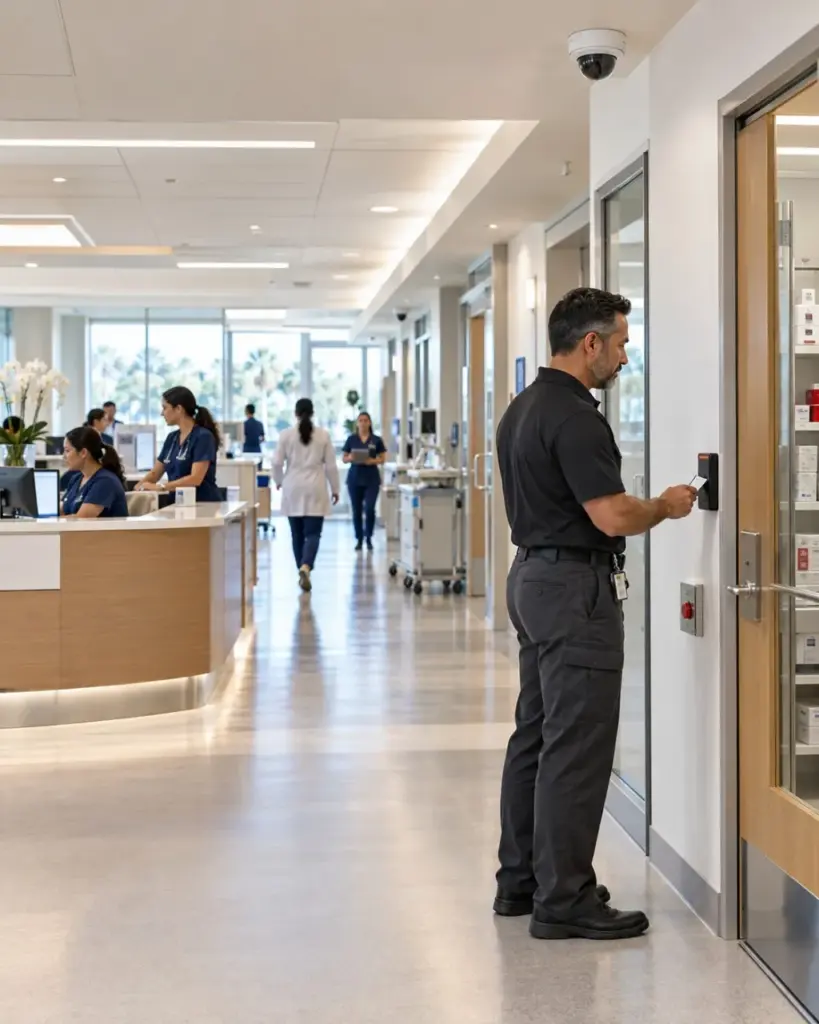
Vulnerable occupants and 24-hour operations require dependable detection and clear notification.
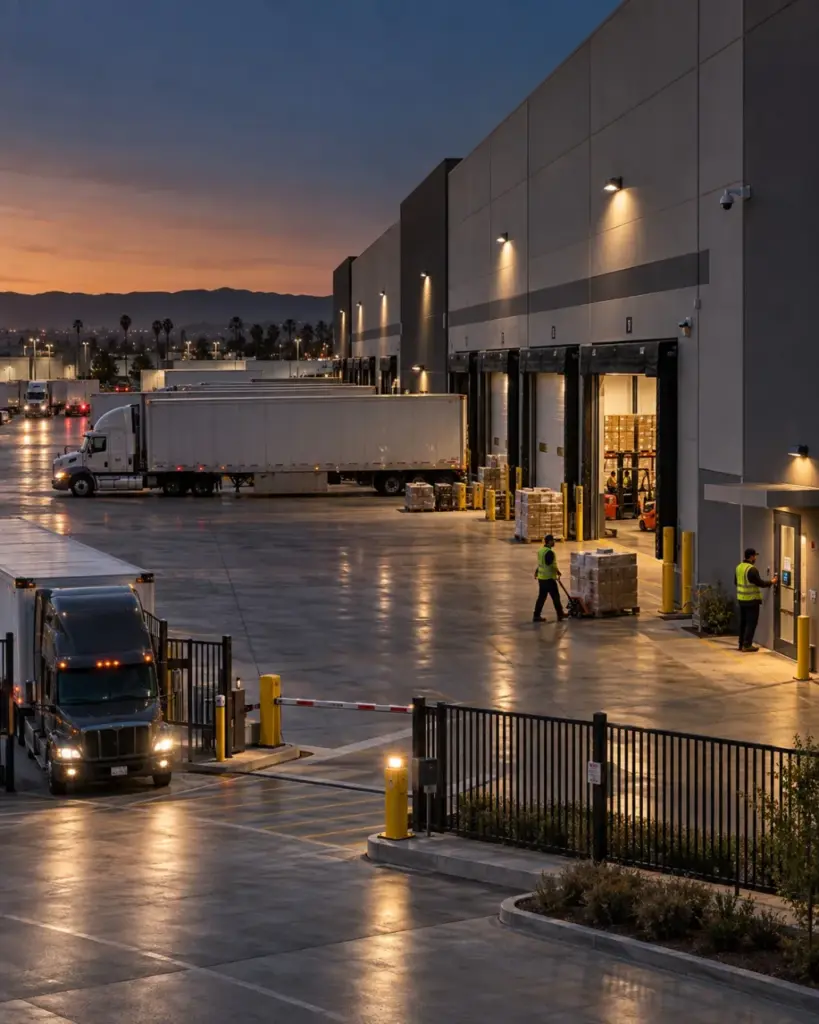
Warehousing & Logistics
High ceilings, dense inventory and charging areas demand earlier fire detection.
Manufacturing & Industrial
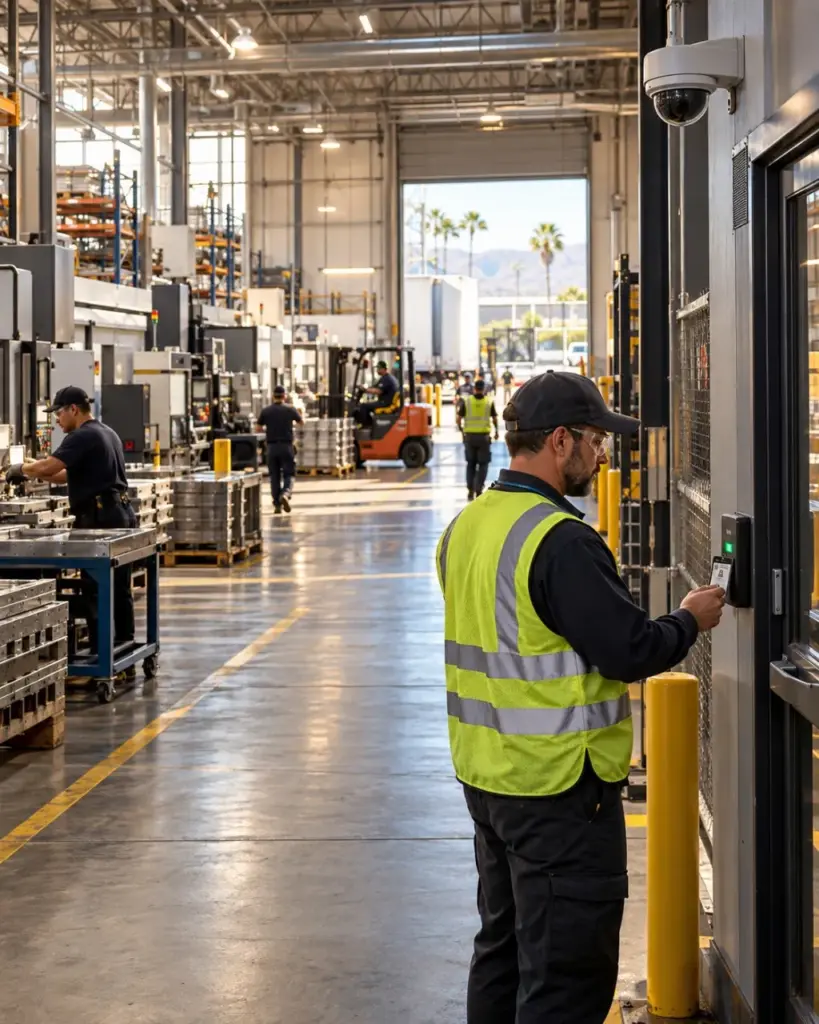
Machinery, heat and combustible materials require hazard-specific detection.
Hotels & Multifamily
Sleeping occupants and multiple floors need coordinated, building-wide fire alerts.
Retail & Restaurants
Public spaces and commercial kitchens require integrated detection and suppression.
Data Centers & Critical Facilities
Electrical hazards and uptime demands call for fast, equipment-sensitive detection.
Installed Doesn’t Mean Response-Ready
Confirm how your panel, detectors, notification devices, required interfaces, communication path, and monitoring process perform together.