





When seconds matter, "everyone got the message" can't be a guess.
Commercial Mass Notification Systems
Reach the right people with critical instructions across your building, campus, or locations. JMG SECURITY SYSTEMS plans, installs, tests, and supports the system.
✓
Still relying on a phone tree or a single mass email for emergencies? We'll show you what that delay actually costs.
Local experience
Alerting SoCal facilities since 1987
System approach
Multi-channel message delivery
Infrastructure
Delivery confirmation & receipt tracking
System fit
Integrated with existing alarm systems
01 · The notification lag
By The Time Everyone's Been Reached, The Emergency Has Already Moved On.
A single mass email misses anyone away from their inbox, a phone tree breaks the moment one person doesn't pick up, and an intercom announcement only reaches whoever happens to be within earshotو which means most "notification systems" are really just one channel wearing several different hats.
01
One channel means one point of failure
An email-only or intercom-only alert leaves entire groups of people uninformed by default.
JMG
JMG SECURITY SYSTEMS designs multi-channel delivery across text, voice, email, desktop, and digital signage simultaneously.
02
Nobody can confirm the message actually landed
Sending an alert isn't the same as knowing it reached anyone.
JMG
Delivery and read-receipt tracking shows exactly who was reached and who wasn't.
03
Manual triggering wastes the minutes that matter most
Someone has to notice the emergency, log in, and manually send the alert before anyone else knows.
JMG
Automated triggers tied to alarm and detection systems can launch notifications instantly.
04
Messages don't reach people outside the building
Remote staff, off-site visitors, and traveling employees are often left out of on-premise-only alert systems.
JMG
Geo-targeted delivery reaches people wherever they are, not just at their desk.
02 · One notification systems partner
One Alert, Every Channel, At The Same Instant.
A mass notification system goes beyond a single alert methodو it covers how a message reaches every device and channel at once, how delivery gets confirmed, and how the whole process can trigger automatically when seconds are on the line.
01
Multi-channel simultaneous delivery
Text, voice call, email, desktop pop-up, and digital signage triggered together.
02
Automated alarm-triggered alerts
Notifications launched instantly from fire, intrusion, or panic alarm activation.
03
Delivery & read-receipt confirmation
Real-time visibility into who received and acknowledged the message.
04
Geo-targeted & role-based messaging
Alerts customized by location, building, or audience group.
05
Pre-scripted emergency templates
Ready-to-send messages for common scenarios, reducing delay during an actual event.
06
Two-way communication capability
Recipients can confirm safety status or request help back through the same system.
03 · Alert to acknowledgment
What Actually Happens In The Seconds After An Alert Is Triggered?
A notification system's real value shows up in the sequence between the trigger and the confirmation, the steps that determine whether an alert actually reaches people in time or arrives too late to matter.
Trigger
Event Is Detected Or Manually Triggered
An alarm activation or a manual send initiates the alert.
Dispatch
Message Routes Across Every Channel
Text, voice, email, and signage fire simultaneously rather than in sequence.
Delivery
Delivery Is Tracked In Real Time
The system logs which devices and recipients received the message.
Confirmation
Recipients Can Acknowledge Or Respond
Two-way capability lets people confirm status back to responders.
Documentation
Full Activity Logs For After-Action Review
Delivery and response data are recorded for post-event analysis.
04 · Service Definition, Scale and System Options
What Is A Commercial Mass Notification System?
A commercial mass notification system is a coordinated emergency-communication solution designed to deliver targeted instructions to people across one or more facilities. Depending on the approved technology and scope, it may use audible, visual and digital channels and may connect with supported fire detection, access control, intrusion, video, monitoring or directory systems. It does not guarantee that every person receives or acts on a message.
How Does A Commercial Mass Notification System Work?
The project begins by defining scenarios, message authority, audiences, zones and required actions. JMG SECURITY SYSTEMS can then review agreed site conditions and existing communication paths, map requirements to supported channels and integrations, and establish acceptance tests. Installation, configuration, training, maintenance and periodic changes are defined by the written project and support scope.
Can JMG SECURITY SYSTEMS Assess One Facility And A Complex Multi-Site Program?
Yes, the method can scale from a single commercial site to a campus or multi-location organization. A smaller engagement may focus on specific entrances, critical rooms or an aging system. A complex program may need common standards, role-based permissions, centralized management, network coordination, rollout sequencing and documented exceptions for individual sites. Scope and timing depend on the number, size and complexity of locations.
How do standalone and integrated systems differ?
A standalone system performs a defined function in its own application. An integrated system connects supported functions so operators can manage related events or data in a more coordinated workflow. Integration is not automatically the right answer for every site. JMG SECURITY SYSTEMS evaluates the operational benefit, compatibility, licensing, network, maintenance and change-management requirements before recommending an architecture.
How are cloud, on-premise and hybrid options evaluated?
The decision depends on operational control, IT policies, connectivity, cybersecurity responsibilities, update practices, storage or retention needs, user administration, integrations, capital and operating preferences, and product availability. A hybrid model may keep some functions or data on site while using cloud services for selected management or remote-access capabilities. JMG should document assumptions with the customer’s IT and security teams.
Speed And Confirmation, Not Just A Message Sent Into The Void.
JMG SECURITY SYSTEMS designs notification systems around the moments they're actually tested, a fire alarm activation, a lockdown situation, or a severe weather event where every second of delay has a real cost.
05 · One channel vs. full coverage
Sending A Message Isn't The Same As Everyone Receiving It.
Most facilities already have some way to alert people, an email list, an intercom, a group text, but a single channel almost always leaves gaps, and during an actual emergency, a gap is exactly where someone doesn't find out in time. A single alert channel gives a false sense of coverage, it feels like everyone's been notified because a message went out, but there's no way to know who actually got it. A true mass notification system replaces that assumption with confirmed, multi-channel delivery.
Single-channel alert
Channel coverage
One method only
Trigger speed
Manual, person-dependent
Delivery visibility
Unknown who received it
Off-site reach
Limited to on-premise recipients
Response capability
One-directional only
Post-event record
Little to no documentation
True mass notification
Channel coverage
Text, voice, email, desktop, signage together
Trigger speed
Can trigger automatically from alarm systems
Delivery visibility
Real-time delivery and read confirmation
Off-site reach
Geo-targeted delivery reaches remote staff
Response capability
Two-way acknowledgment and status reporting
Post-event record
Full logs for after-action review
06 · Confirmed multi-channel delivery
A Message That Proves It Was Received, Not Just Dispatched
Text, voice, email, and signage alerts are tracked individually, so responders can see in real time exactly who's been reached and who still needs to be, instead of assuming the job is done once the message goes out.
Automated alarm-triggered alerts
Built To Fire The Instant An Event Is Detected
Depending on the facility, JMG SECURITY SYSTEMS can integrate notification triggers directly with fire, intrusion, and panic alarm systems, so the alert launches automatically instead of depending on someone noticing and logging in first.
Channel
Alert Delivery
Live Delivery Status
Facility-type-specific protocols
A Campus Lockdown Alert Isn't A Warehouse Evacuation Notice.
What a notification system needs to prioritize, speed, audience targeting, message content, shifts significantly depending on the facility type and the kinds of emergencies it's most likely to face.
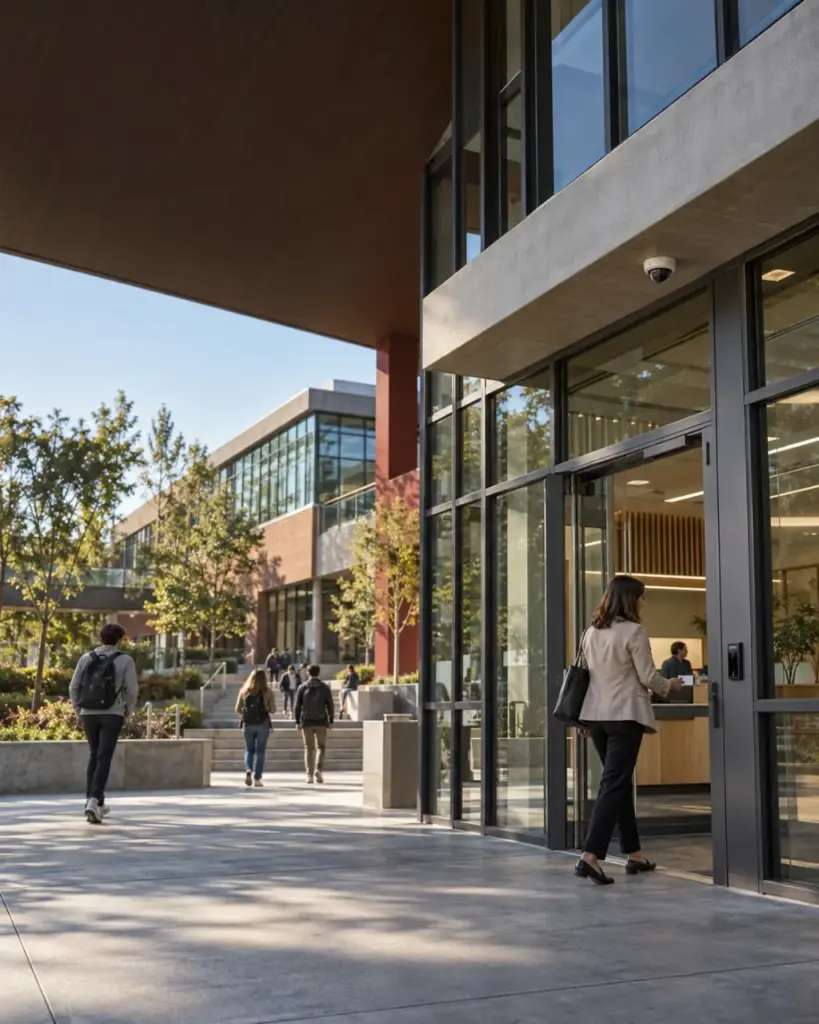
Educational campuses
Lockdown and evacuation alerts coordinated across classrooms, staff, and parents.
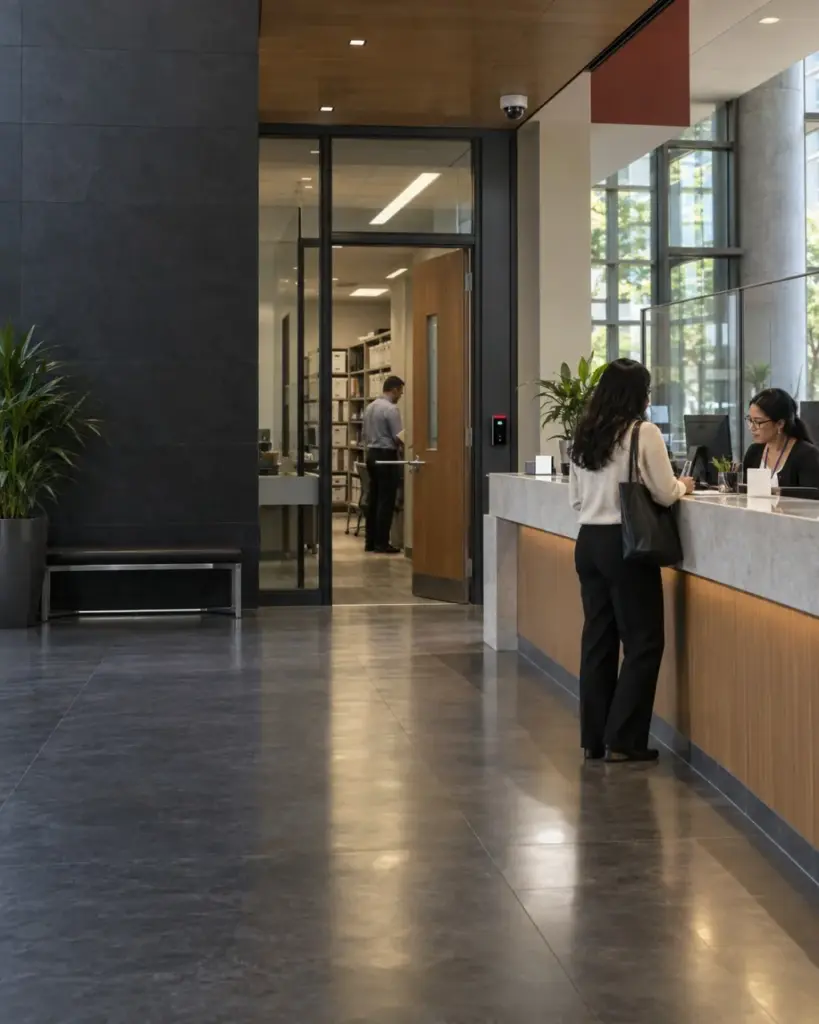
Corporate & multi-tenant offices
Floor- and building-specific alerts for fire, weather, or security events.
Healthcare facilities
Code-specific alerts routed to relevant staff without disrupting patient care areas.
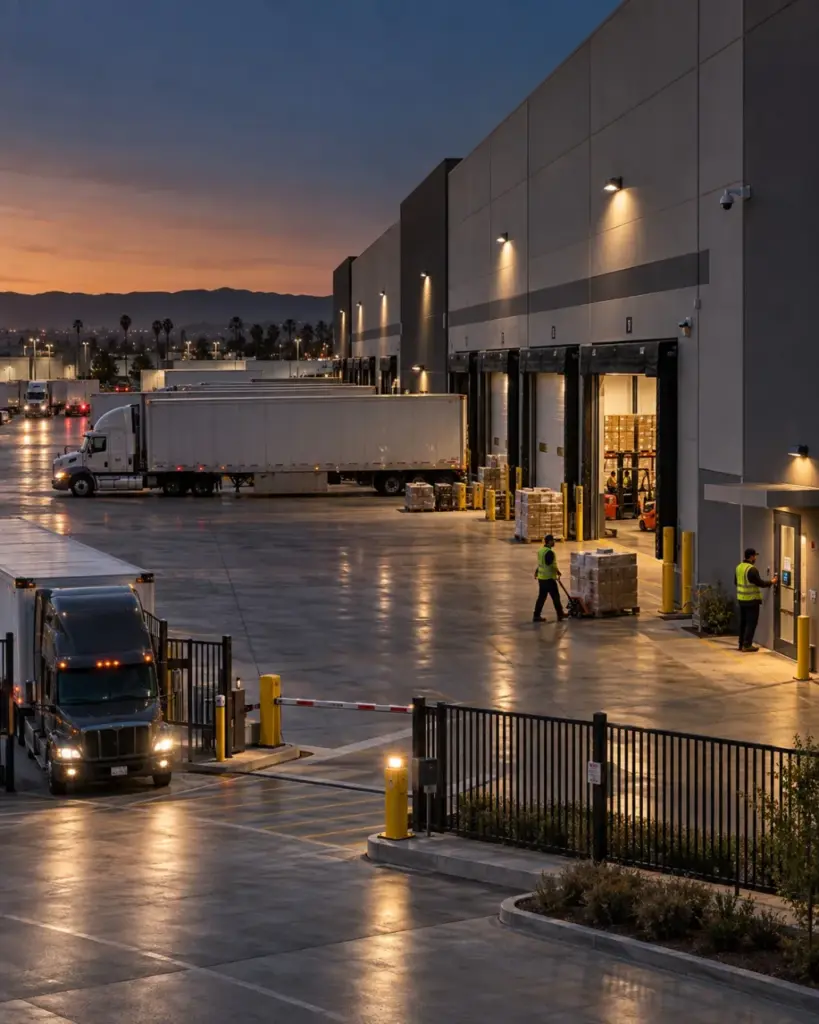
Industrial & warehouse facilities
Zone-based alerts for hazardous conditions across large physical footprints.
Retail & multi-location chains
Centralized alerting capability across geographically dispersed stores.
Government & municipal buildings
Public-facing and internal alerting coordinated for civic emergency protocols.
An Alert Nobody Can Confirm Was Received Might As Well Not Have Been Sent.
Find out whether your facility could reach everyone, on every channel, right now.