


Commercial security system integration • southern california
Commercial Security System Integration
JMG SECURITY SYSTEMS connects your video, access control, intrusion, and ALPR systems into one operator workflow, keeping what you already own.
✓
Already own cameras, readers, panels, or security software? JMG SECURITY SYSTEMS evaluates compatibility before recommending replacement.
Local experience
Serving Southern California since 1987
Coordinated systems
Video, access, intrusion, ALPR and analytics
Compatibility first
Existing systems reviewed before replacement
Full lifecycle
Assessment, integration, testing and support
01 · The integration gap
Connected Systems Aren’t Always Integrated
Cameras, doors, alarms, and software can share the same network while still leaving operators to investigate events across separate screens, databases, and procedures. The real test of commercial security system integration is whether related information reaches the right person through one clear, approved workflow.
01
Connected Devices, Disconnected Workflow
Systems exchange data, but operators must still switch applications and manually determine what happened.
JMG
Build the integration around the operator’s event workflow.
02
Security Alerts Without Context
A forced door or intrusion alarm appears without the associated camera, map, location, or response instructions.
JMG
Connect supported events with relevant video and location information.
03
Fragmented Users and Permissions
Separate databases create inconsistent credentials, roles, access rights, and administrative responsibilities.
JMG
Establish coordinated identity rules and role-based permissions.
04
No Clear Owner When Something Fails
Multiple providers may disagree about who owns the device, software connector, network dependency, or next action.
JMG
Document system ownership, support boundaries, and escalation responsibilities.
02 · Beyond a single dashboard
Integration Means Making Every System Work Together
Placing cameras, access control, intrusion alarms, ALPR, analytics, and communication tools on the same network does not automatically create an integrated security system. JMG SECURITY SYSTEMS designs commercial security system integration around the complete incident workflow, helping supported systems share relevant information, present clearer context, and guide authorized operators through defined response procedures. Before confirming any integration, JMG SECURITY SYSTEMS evaluates the exact device, firmware, software version, license, network condition, ownership, and required function. This compatibility-first approach helps determine what can be retained, integrated, upgraded, or replaced.
01
Video Surveillance and VMS
Connect supported live and recorded video with related security events so operators can reach the relevant camera view without searching across separate platforms.
02
Access Control and Identity
Associate forced doors, held-open doors, denied access, credential activity, user permissions, and identity records with the correct location and incident.
03
Intrusion Detection
Bring supported alarm-panel, sensor, and zone activity into a coordinated workflow with meaningful location information and associated video where configured.
04
ALPR and Vehicle Events
Connect authorized license plate recognition events with camera views, entry lanes, vehicle records, and site-specific procedures for clearer vehicle investigation.
05
Security Analytics
Surface supported video and system analytics within the operator workflow, helping teams evaluate unusual activity without treating every automated alert as a confirmed threat.
06
Communications and Third-Party Tools
Route relevant incident information through approved communication channels and compatible third-party systems based on verified permissions, integrations, and response responsibilities.
03 · From security event to documented action
How Integrated Security Systems Respond To Real Events
An integrated security system should do more than place cameras, access control, intrusion alarms, ALPR, and analytics on one screen. JMG SECURITY SYSTEMS designs coordinated incident workflows that help supported systems identify what happened, surface relevant context, guide authorized operators, and document the available response activity. The exact workflow depends on system compatibility, configuration, permissions, and the facility’s approved procedures.
Event generation
A Security Event Begins The Workflow
A forced door, intrusion alarm, configured ALPR match, video analytic, or other supported event enters the integrated security platform and starts the appropriate workflow.
Identification
The Location And Event Are Identified
Clear system naming and mapping identify the correct property, building, door, alarm zone, camera, or vehicle lane so operators can understand where the event originated.
Event correlation
Related Video And Data Add Context
Where supported, the platform associates relevant camera views, credential activity, alarm information, vehicle data, and analytics with the event, reducing the need to search separate systems.
Action + escalation
The Approved Operator Workflow Begins
Site instructions, user permissions, system ownership, and escalation responsibilities guide the authorized operator’s next action and determine which stakeholders receive information.
Documentation
Activity Is Documented For Review
Available timestamps, associated video, operator actions, notifications, escalation steps, and resolution details are recorded within supported systems for investigation, reporting, and workflow improvement.
04 · Integrate • enhance • extend
Security System Integration And Enhancement
Commercial security system integration brings video surveillance, access control, intrusion detection, sensors, analytics, communications, and supported third-party technologies into one coordinated platform and operator workflow. Many Southern California commercial facilities accumulate separate systems over time, often installed by different vendors with different software, permissions, service responsibilities, and operating procedures. The result can be multiple logins, fragmented incident information, inefficient investigations, and unclear ownership when a system fails.
JMG SECURITY SYSTEMS begins with a detailed audit of the existing hardware, software versions, firmware, licenses, network conditions, integrations, and facility requirements. As a California C-7/C-10 licensed contractor, JMG SECURITY SYSTEMS determines what can be retained, integrated, upgraded, or replaced. The goal is to enhance the security infrastructure you already own, improve visibility across supported systems, and create a more manageable incident workflow without assuming a costly full replacement is the right solution.
Benefits Of Integrated Security Systems
When video surveillance, access control, intrusion detection, ALPR, and security analytics work together, each event can carry more useful context into one coordinated workflow. Operators may be able to review the affected location, related camera footage, credential activity, vehicle information, and approved response instructions without manually searching multiple platforms. Where supported and properly configured, cross-system verification can help teams distinguish routine activity from a possible security incident, reduce avoidable escalation, and make more informed response decisions. Facility managers gain a clearer operational view of what happened, where it occurred, and which action should follow.
Integration With Alarm Systems
Commercial alarm system integration connects your intrusion detection, video surveillance, access control, and communication systems into one coordinated response workflow — so alarms arrive with context, not just noise. When a door contact, glass-break sensor, or motion detector triggers, an integrated platform can pinpoint the location, pull up the relevant camera feed, show credential activity, and surface the correct response procedure — cutting down the time spent jumping between separate applications.
JMG SECURITY SYSTEMS evaluates panel compatibility, devices, firmware, video and access-control platforms, network conditions, licensing, and site-specific requirements before any integration is confirmed. Automated locking/unlocking features are only enabled after safety, code, and authority requirements are verified. Where FM approval or UL 2050 applies, JMG confirms the specific system, monitoring setup, and documentation required — rather than treating certifications as one-size-fits-all.
Security systems for banks
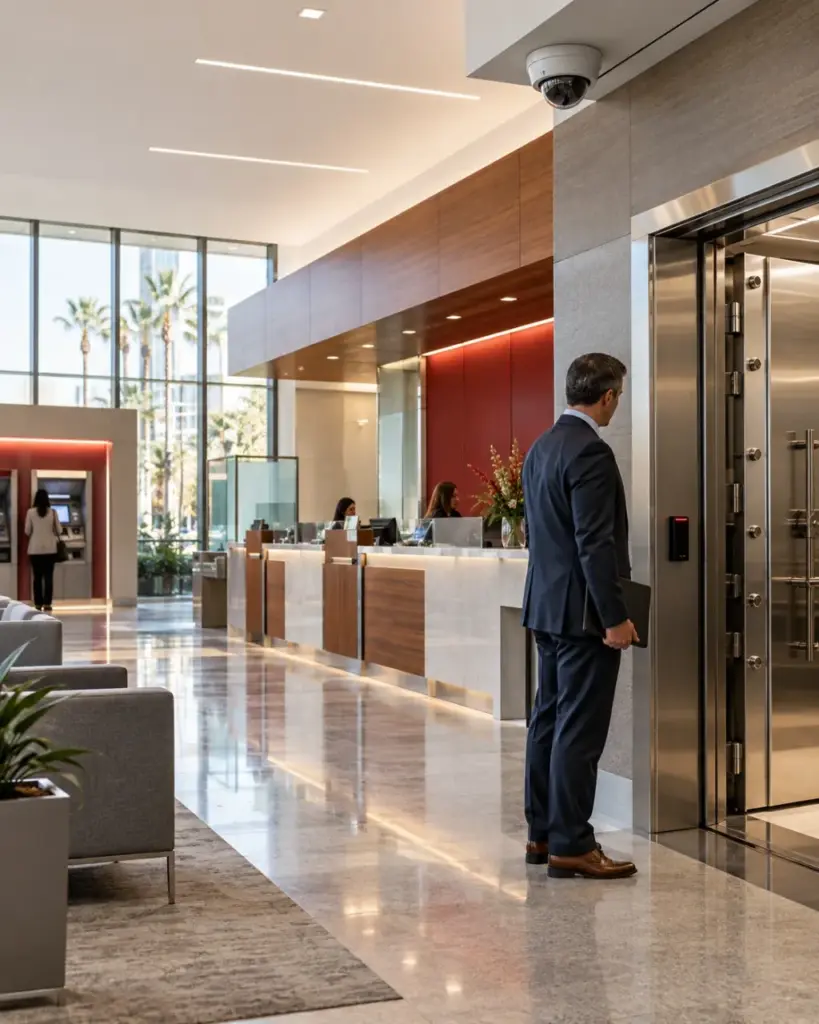
Banks and financial institutions require coordinated protection across public entrances, teller areas, ATMs, cash rooms, vaults, employee-only zones, and service access points. JMG SECURITY SYSTEMS integrates supported access control, video surveillance, intrusion detection, duress alarms, communications, and response procedures to give authorized teams clearer event context and more consistent security documentation.
As a California C-7/C-10 licensed contractor, JMG SECURITY SYSTEMS evaluates existing hardware, software, permissions, networks, operating hours, and facility policies before recommending what to retain, integrate, upgrade, or replace. Where UL 2050 or FM requirements apply, JMG confirms the exact system, monitoring scope, approvals, and required documentation rather than treating them as blanket certifications.
Can Your Existing Security Systems Be Integrated Without Replacing Everything?
Many commercial facilities already have usable cameras, access-control readers, intrusion panels, sensors, servers, and security software. The question is whether those components can support the required integrated workflow. JMG SECURITY SYSTEMS evaluates the exact device, firmware, software version, license, network condition, ownership, and required function before recommending what to retain, integrate, upgrade, or replace.
05 · Compare security architectures
Standalone Vs. Integrated Security Systems: Which Approach Fits Your Facility?
Standalone systems may be sufficient for facilities with simple security requirements. Integration becomes more valuable when operators must coordinate video surveillance, access control, intrusion detection, ALPR, analytics, and multiple locations. The right approach depends on compatibility, operational complexity, existing infrastructure, and future growth.
Standalone security systems
Best fit
Smaller or single-site facilities with straightforward security requirements
Operator workflow
Separate applications, logins, and procedures for each system
Incident context
Video, access, and alarm activity must be reviewed separately
Existing equipment
Components continue operating independently
Users and permissions
Accounts, schedules, and access rights are managed separately
Multi-site oversight
Naming, reporting, and procedures may vary by location
Support and scalability
Multiple providers manage separate systems and expansions
Integrated security systems
Best fit
Complex facilities, campuses, and multi-site commercial portfolios
Operator workflow
Supported systems are organized around a coordinated operator workflow
Incident context
Related video, credential, alarm, and location data may be associated where supported
Existing equipment
Equipment is assessed as retain, integrate, upgrade, or replace
Users and permissions
Roles and permissions may be coordinated across compatible platforms
Multi-site oversight
Standards can be centralized while preserving legitimate site differences
Support and scalability
Ownership, dependencies, support boundaries, and future integrations are documented
06 · Keep what still works
Retain And Integrate Compatible Equipment
Serviceable cameras, readers, panels, sensors, and software may be preserved when compatibility and required functions can be verified. JMG SECURITY SYSTEMS can phase the integration around existing infrastructure to reduce unnecessary replacement and operational disruption.
Compatibility gap identified
Upgrade Only Where The Workflow Requires It
A component may require an upgrade or replacement when its protocol, firmware, license, cybersecurity condition, or network dependency cannot support the required integration. JMG SECURITY SYSTEMS documents the reason and operational impact before recommending a change.
Device
Compatibility review
Decision
Industry-specific security integration
Security Integration Built Around Your Operations
An integrated security system should reflect how the facility actually operates: who enters, what remains restricted, where events occur, which teams respond, what evidence is required, and which operations cannot be interrupted. JMG SECURITY SYSTEMS adapts supported technology and workflows to each industry’s risks without presenting integration alone as a compliance solution.
Commercial Offices and Multi-Tenant Properties
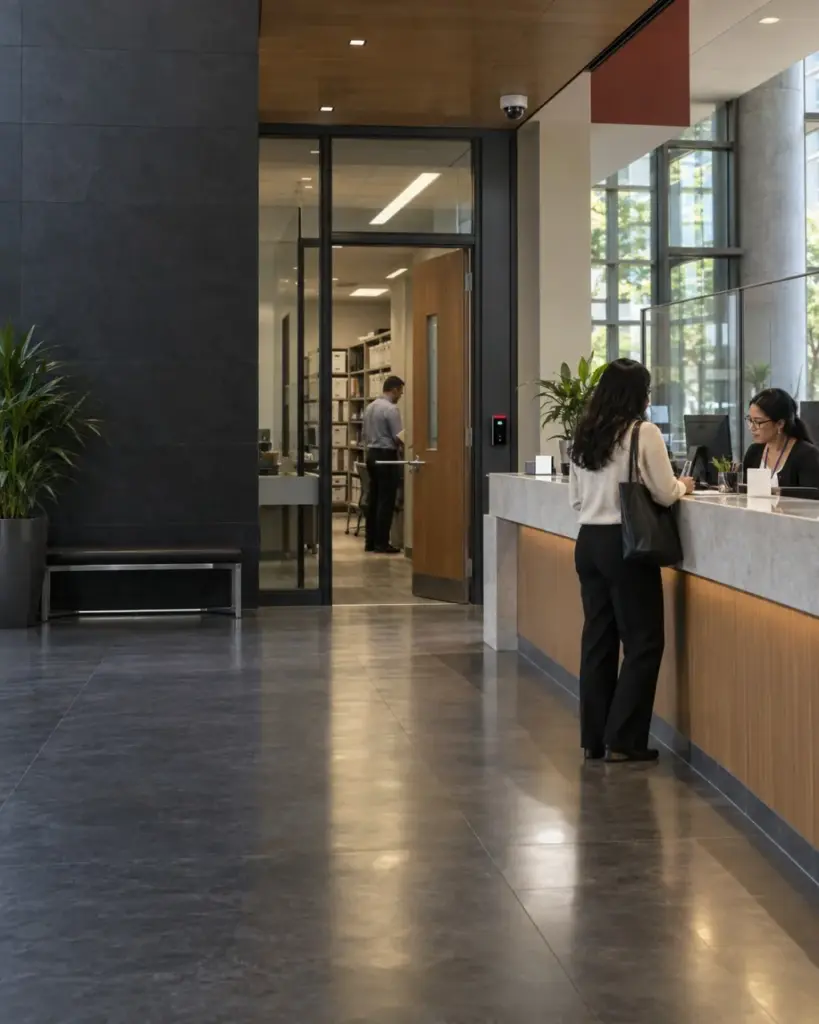
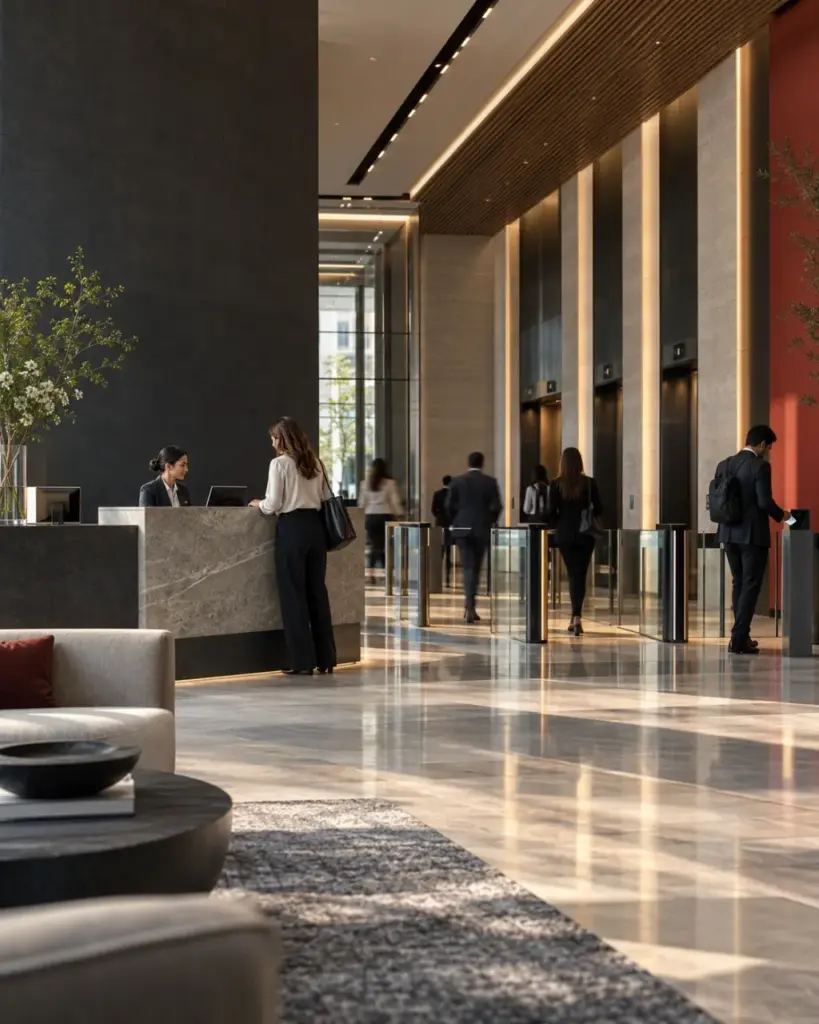
Coordinate lobby entry, tenant access, elevators, parking, visitors, contractors, shared spaces, and after-hours activity. JMG SECURITY SYSTEMS connects supported door events with video and portfolio oversight while preserving tenant boundaries and role-based permissions.
Healthcare and Medical Facilities
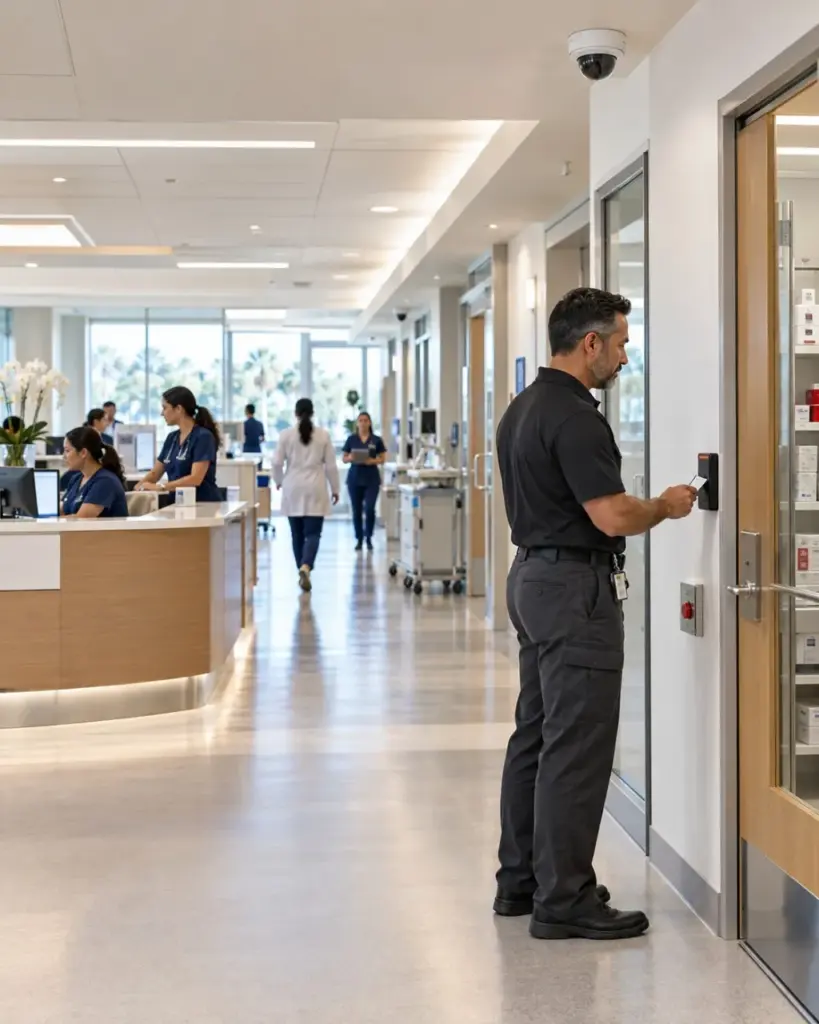
Support continuous operations across patient areas, pharmacies, restricted zones, emergency routes, and staff workflows. JMG SECURITY SYSTEMS designs access zoning, related video, incident documentation, and role-based visibility around operational, privacy, IT, and compliance requirements.
Retail Stores and Shopping Centers
Connect supported access, intrusion, video, POS, and analytic events across entrances, sales floors, stockrooms, loading areas, and parking. JMG SECURITY SYSTEMS builds workflows around loss prevention, opening and closing, investigations, and multi-location consistency.
Warehouses and Distribution Centers
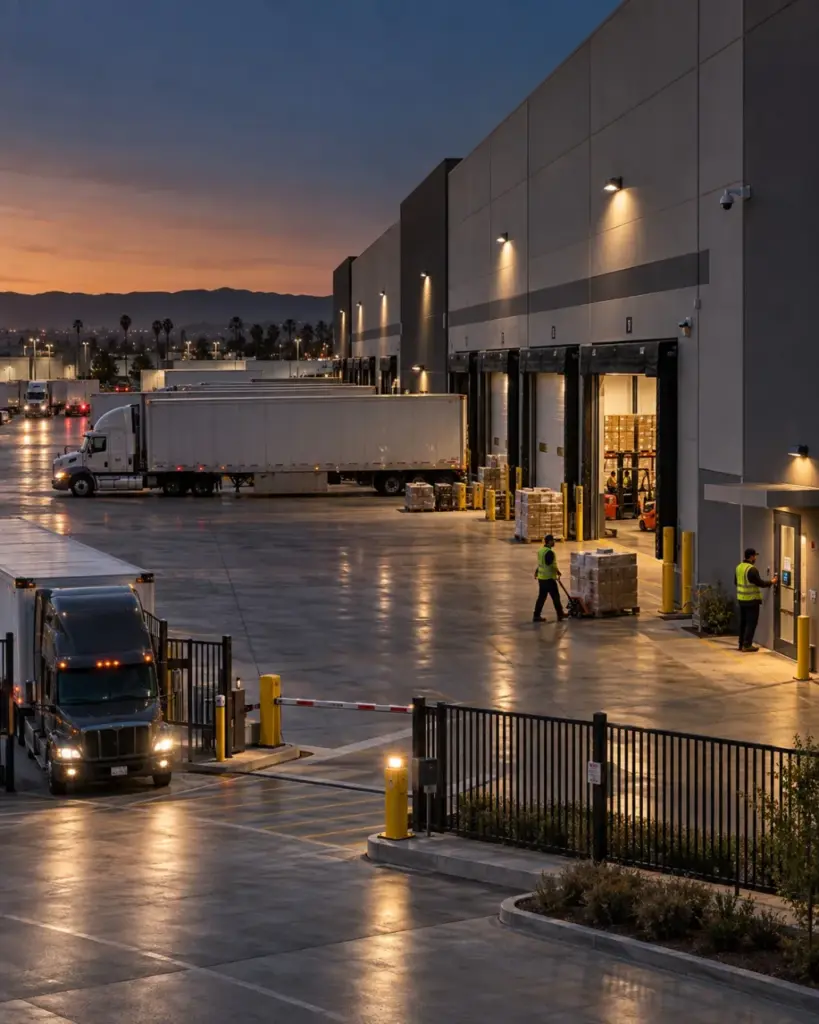
Coordinate gates, employee and driver access, loading docks, inventory zones, vehicle activity, intrusion events, and video coverage. JMG SECURITY SYSTEMS designs around shift changes, dock procedures, network coverage, and authorized movement without creating operational bottlenecks.
Manufacturing and Industrial Facilities
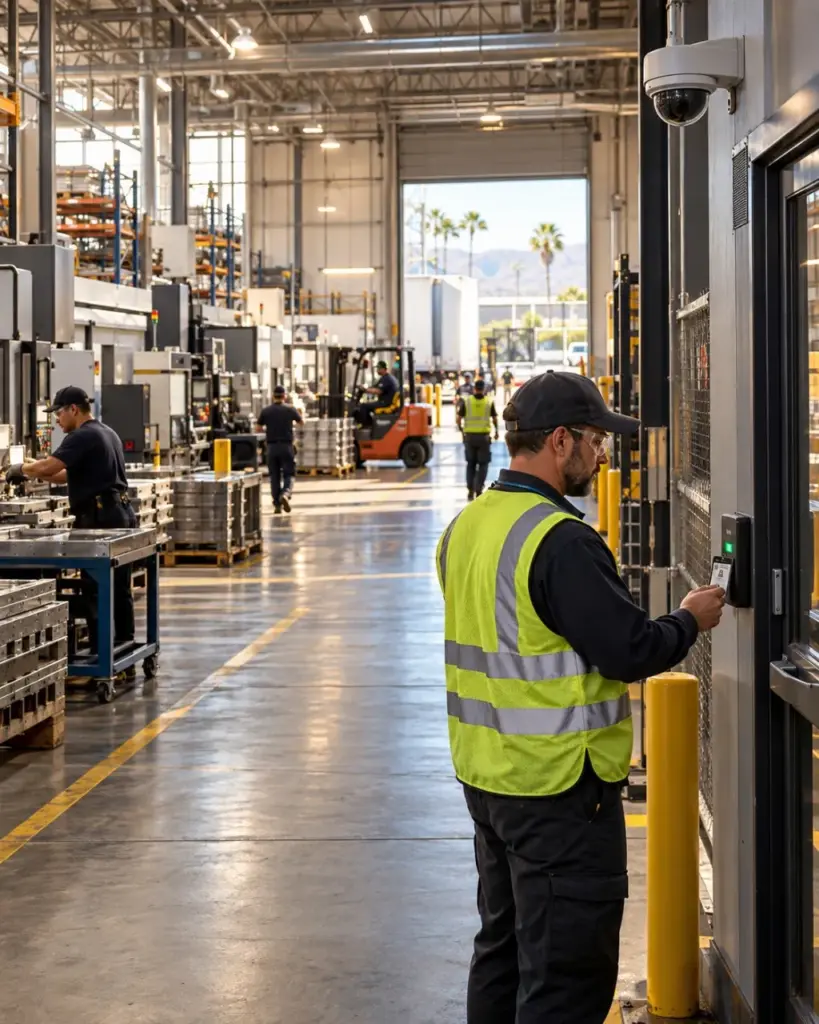
Associate perimeter, access, intrusion, and video events with the correct production area and approved procedure. JMG SECURITY SYSTEMS coordinates with operations, EHS, IT, facilities, and security teams to protect assets without disrupting safety rules or production schedules.
Schools, Universities and Campuses
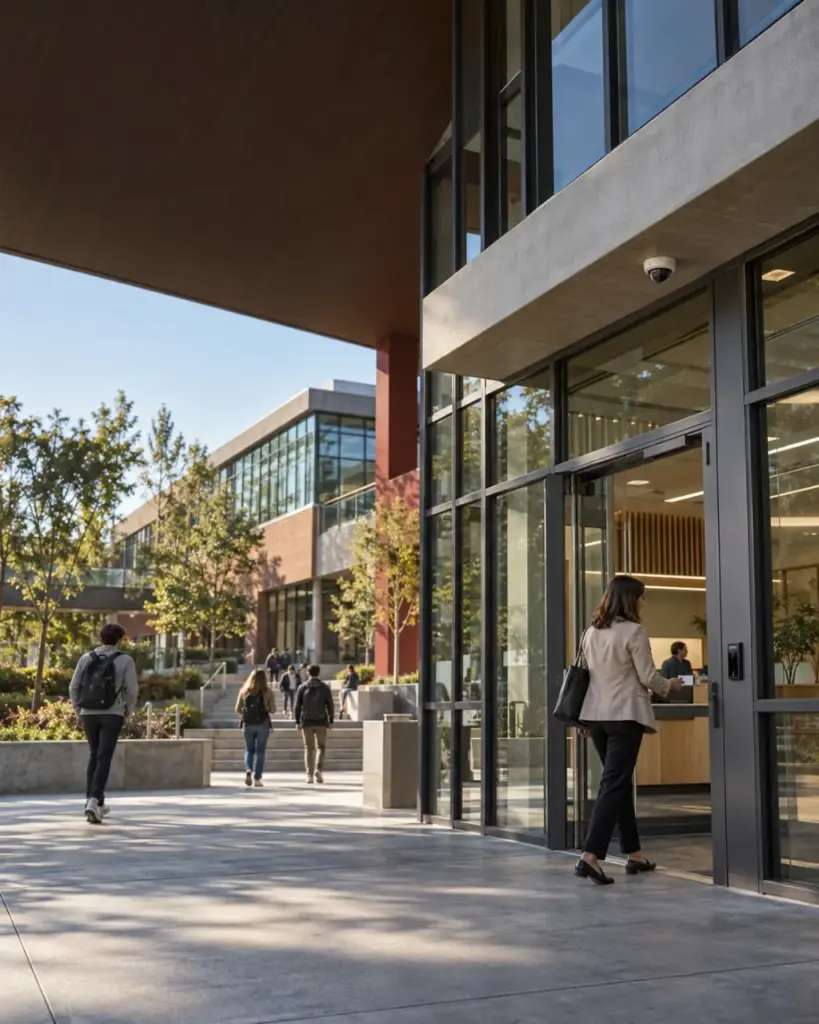
Unify supported access control, video, communications, and incident workflows across buildings with different schedules and user groups. JMG SECURITY SYSTEMS applies role-based permissions while aligning technology with the institution’s approved safety, training, and response plans.
“Connected” Does Not Mean Integrated.
Sharing a network doesn't make a system integrated. JMG SECURITY SYSTEMS evaluates whether your cameras, access control, alarms, and ALPR can deliver the location, video, context, instructions, and documentation through one workflow during a real event.